
Reading At Newlyn School
At Newlyn School, we believe that reading is central to every aspect of learning. We are passionate about ensuring all children become enthusiastic, insightful, and confident readers.
This begins with phonics. We follow Little Wandle Letters and Sounds Revised, a systematic and synthetic phonics programme. Teaching starts from Reception, ensuring that children learn to decode words accurately, develop fluency, and build a strong foundation for lifelong reading. Through daily phonics sessions, children are equipped with the skills they need to read independently and with confidence.
To support this, we have developed a rich and inclusive reading programme that enables pupils to deepen their understanding across the curriculum, fosters a love of reading for pleasure, and celebrates the protected characteristics. Our carefully chosen class texts promote enjoyment and inclusivity, helping children to explore diverse perspectives and experiences.
Our writing curriculum is book-based, allowing children to analyse high-quality texts with purpose—developing their understanding both as readers and as writers. This dual lens approach helps pupils appreciate the craft of writing while building their reading skills.
In Key Stage 1 and 2, we use a novel study approach to reading, with explicit teaching of reading comprehension strategies through the VIPERS framework (Vocabulary, Inference, Prediction, Explanation, Retrieval, and Sequencing/Summarising). This ensures that children are equipped with the tools they need to engage deeply with texts and develop critical reading skills.
In addition to this, we also offer four Reading Group sessions each week. During these sessions, children work in small groups to improve their fluency and comprehension of short texts tailored to their reading level. This allows children to build confidence, practise reading aloud in a supportive environment, and develop key skills such as decoding, inference, and vocabulary acquisition. These sessions also provide opportunities for targeted teacher guidance and peer discussion, helping every child to make meaningful progress in their reading journey.
-
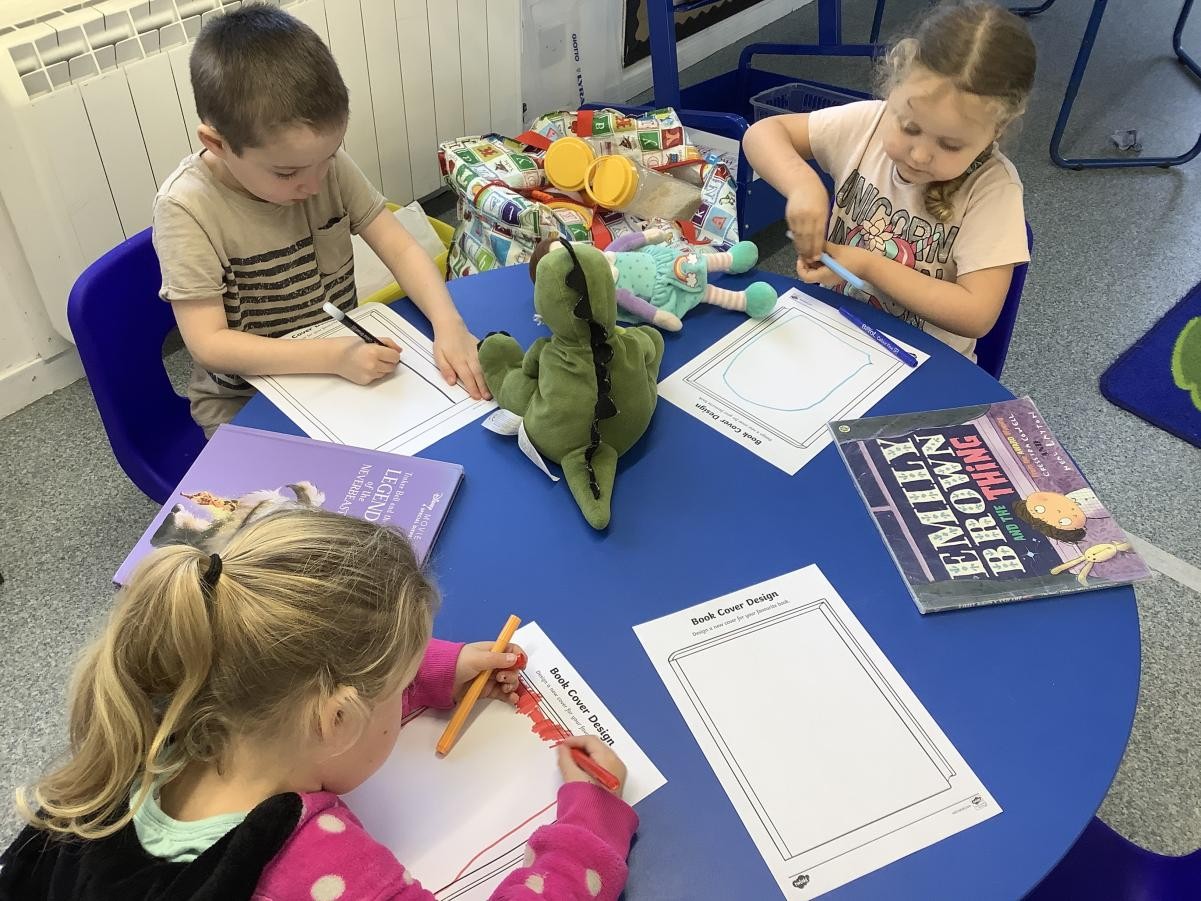
World Book Day
-
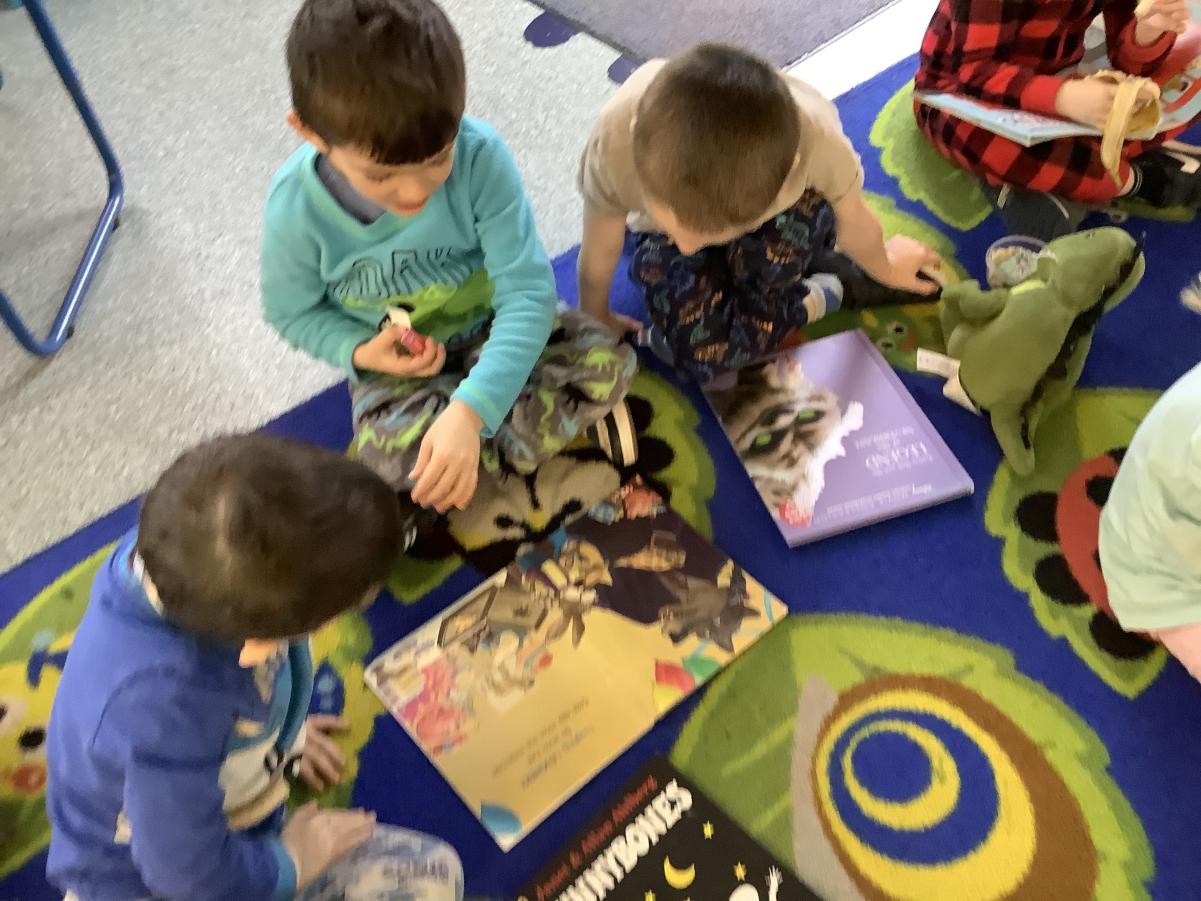
World Book Day
-

World Book Day
-

World Book Day
-
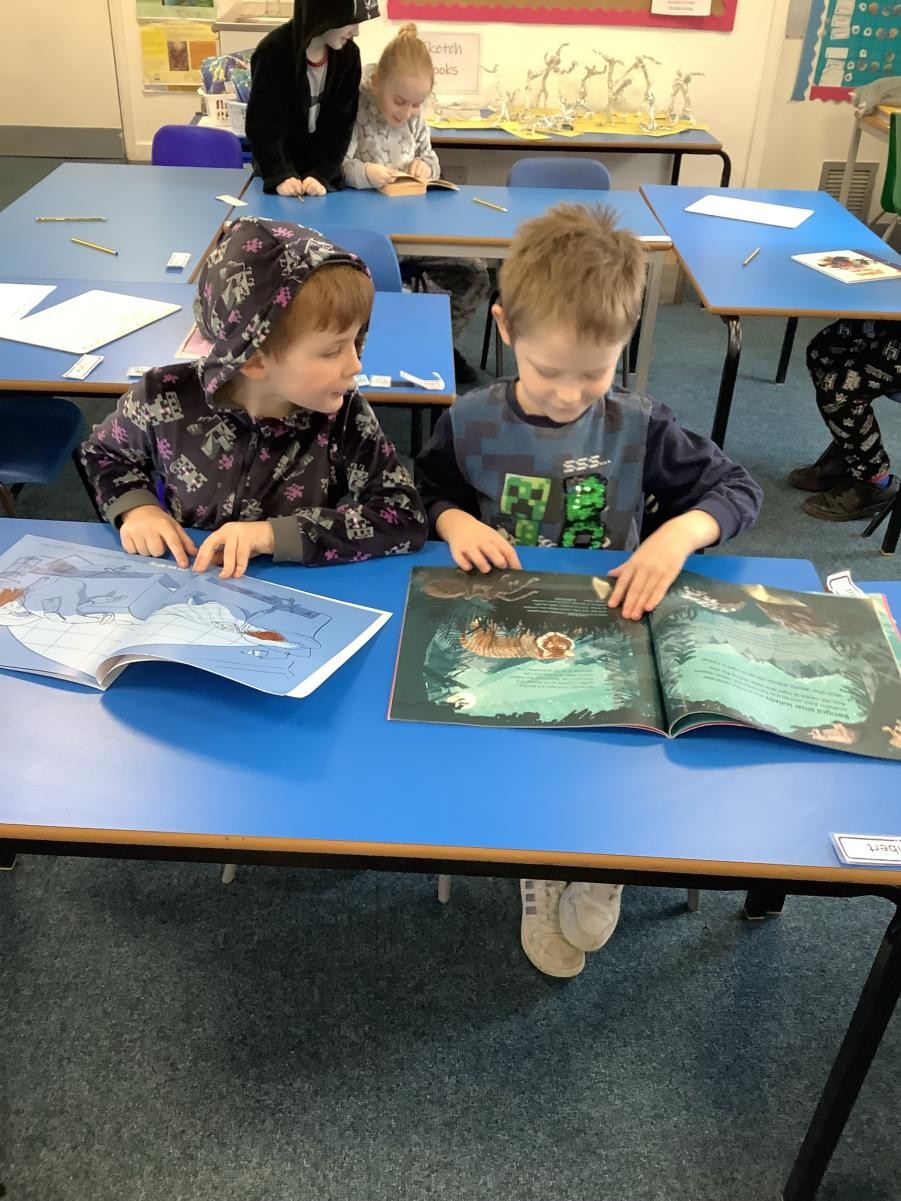
World Book Day
-
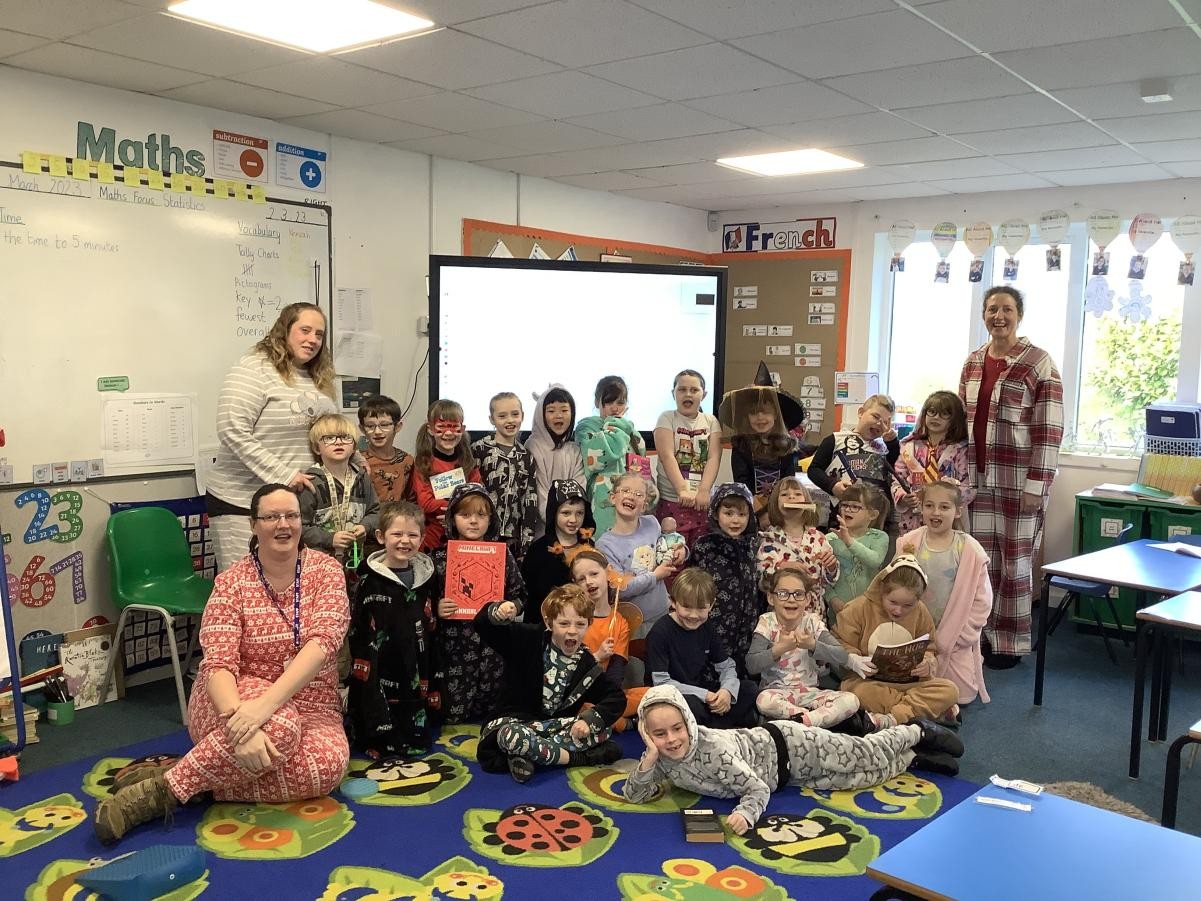
World Book Day
-
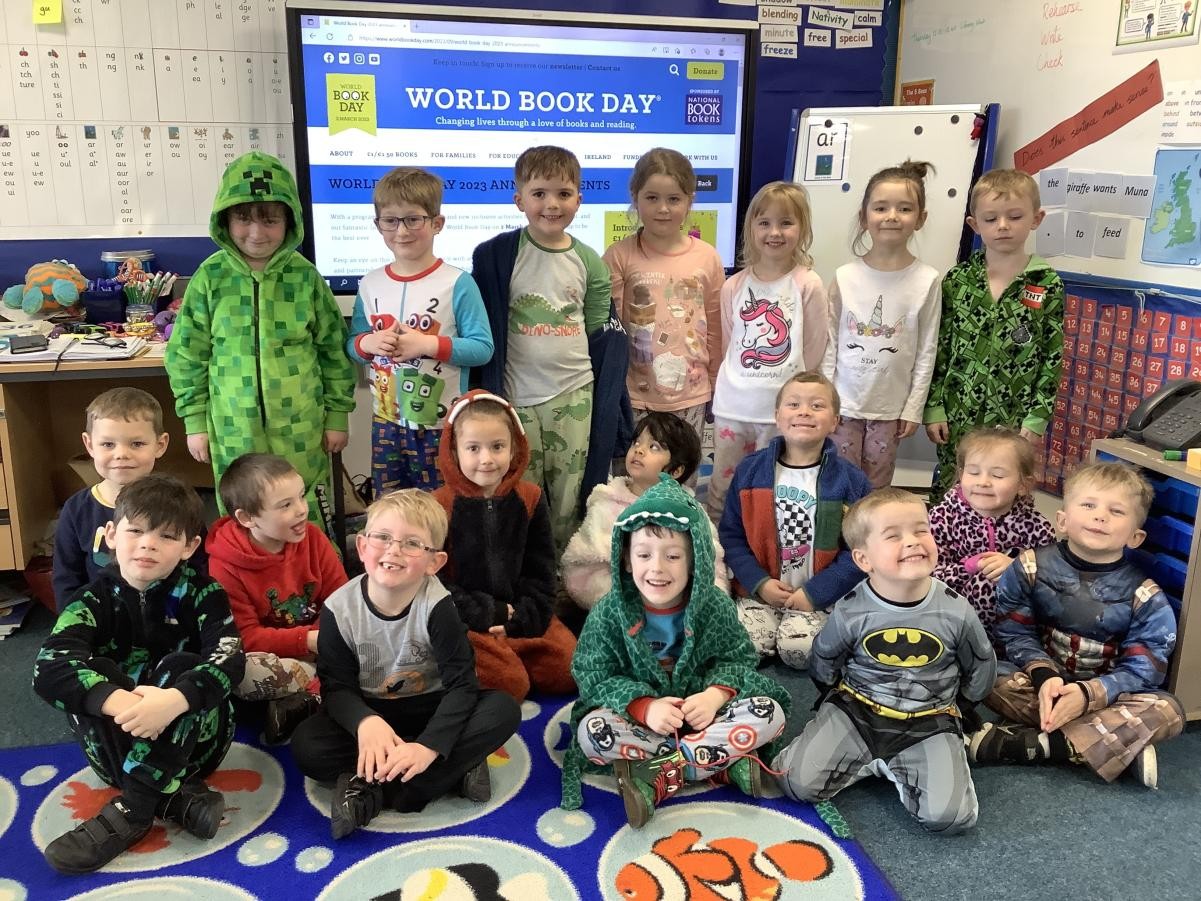
World Book Day
-
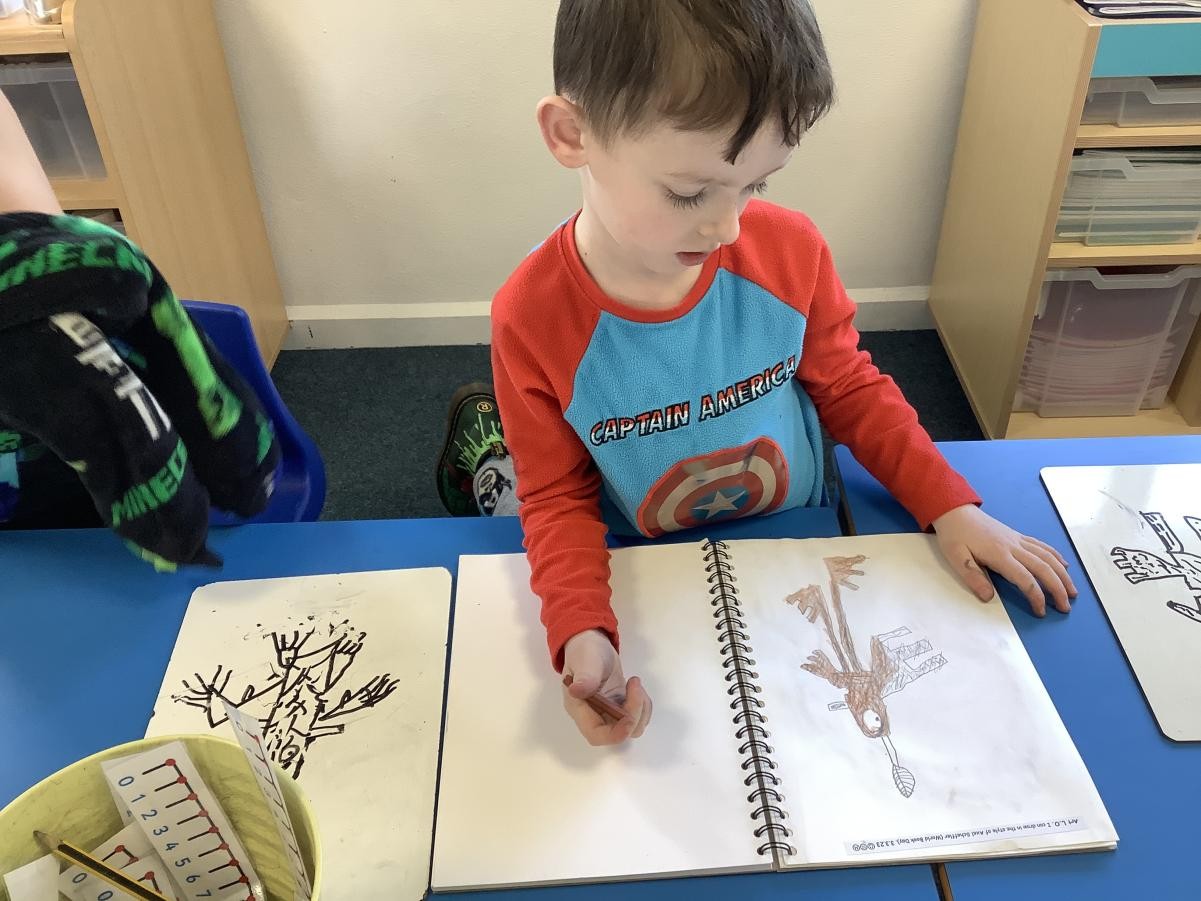
World Book Day
-
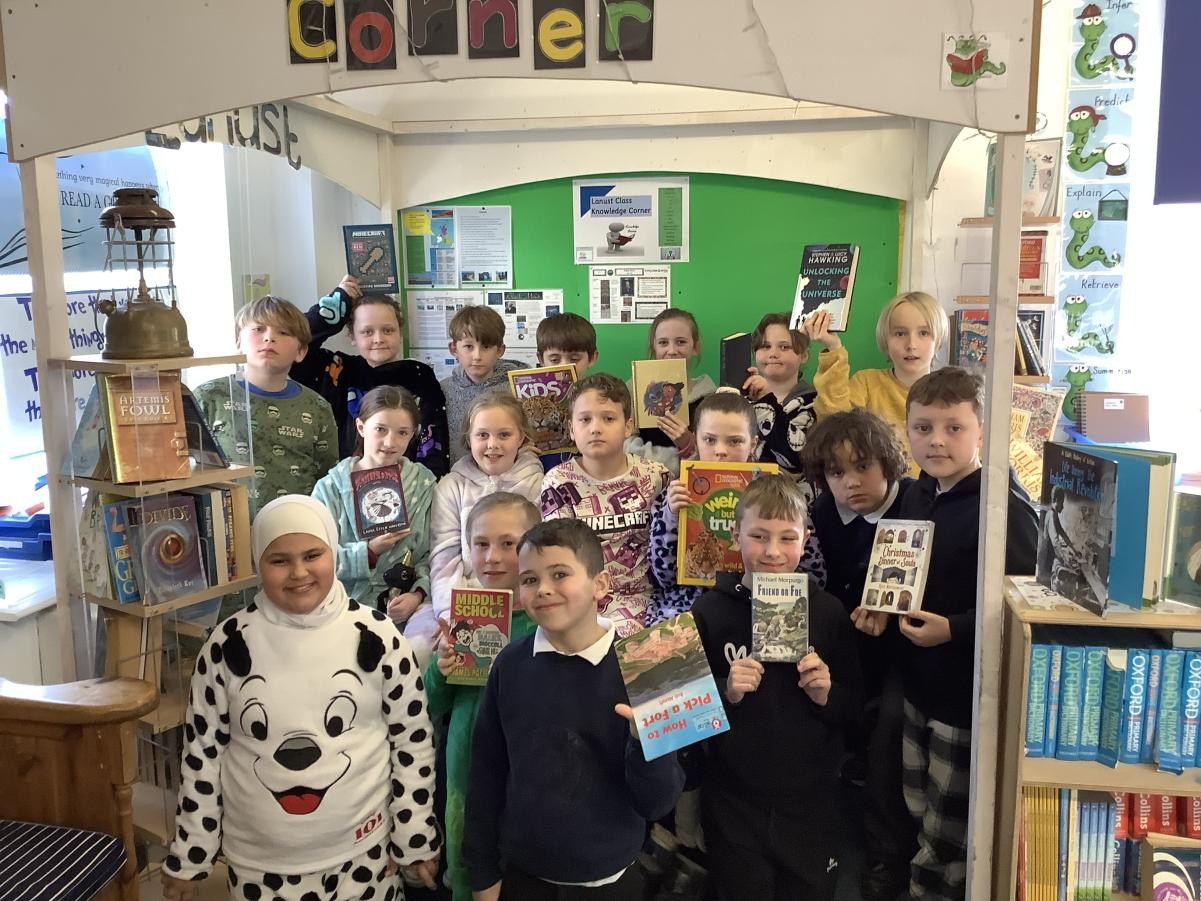
World Book Day
-
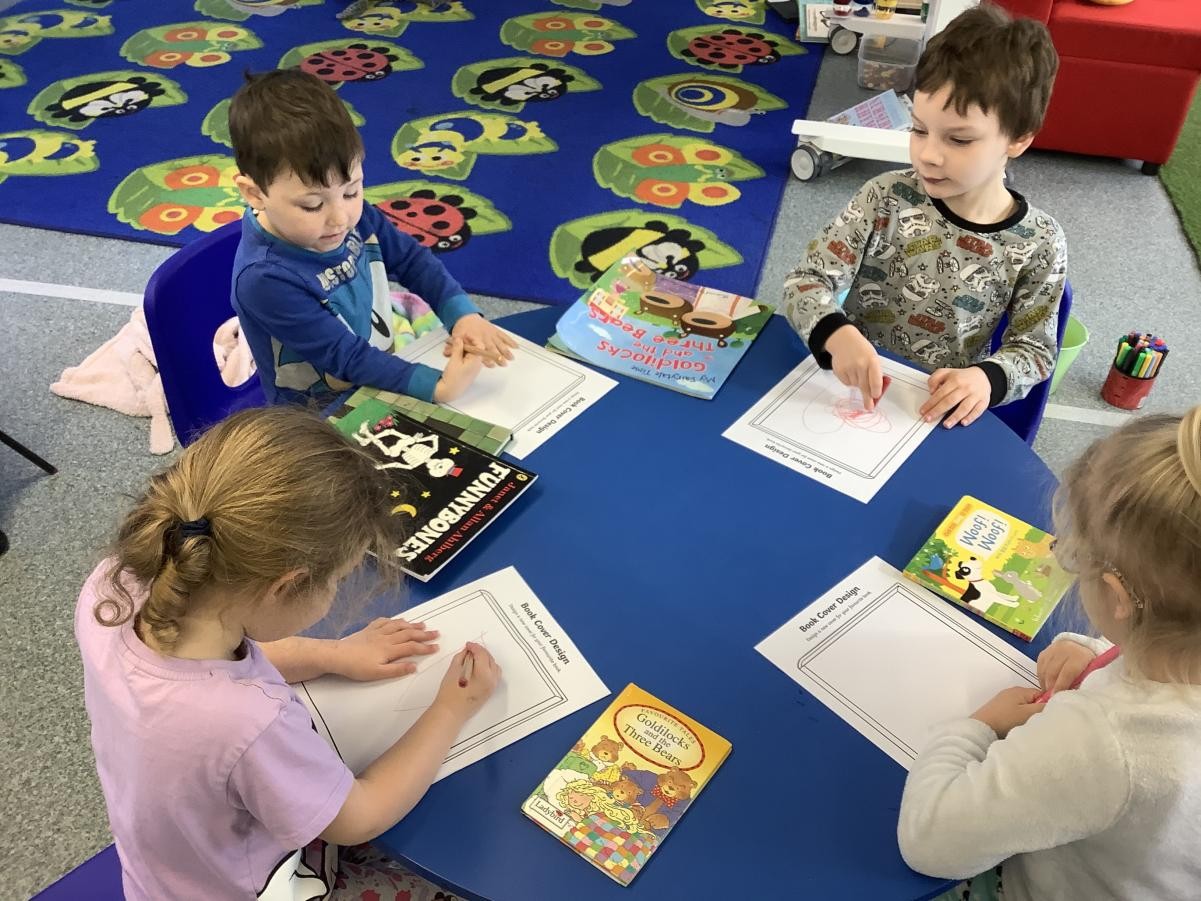
World Book Day
-
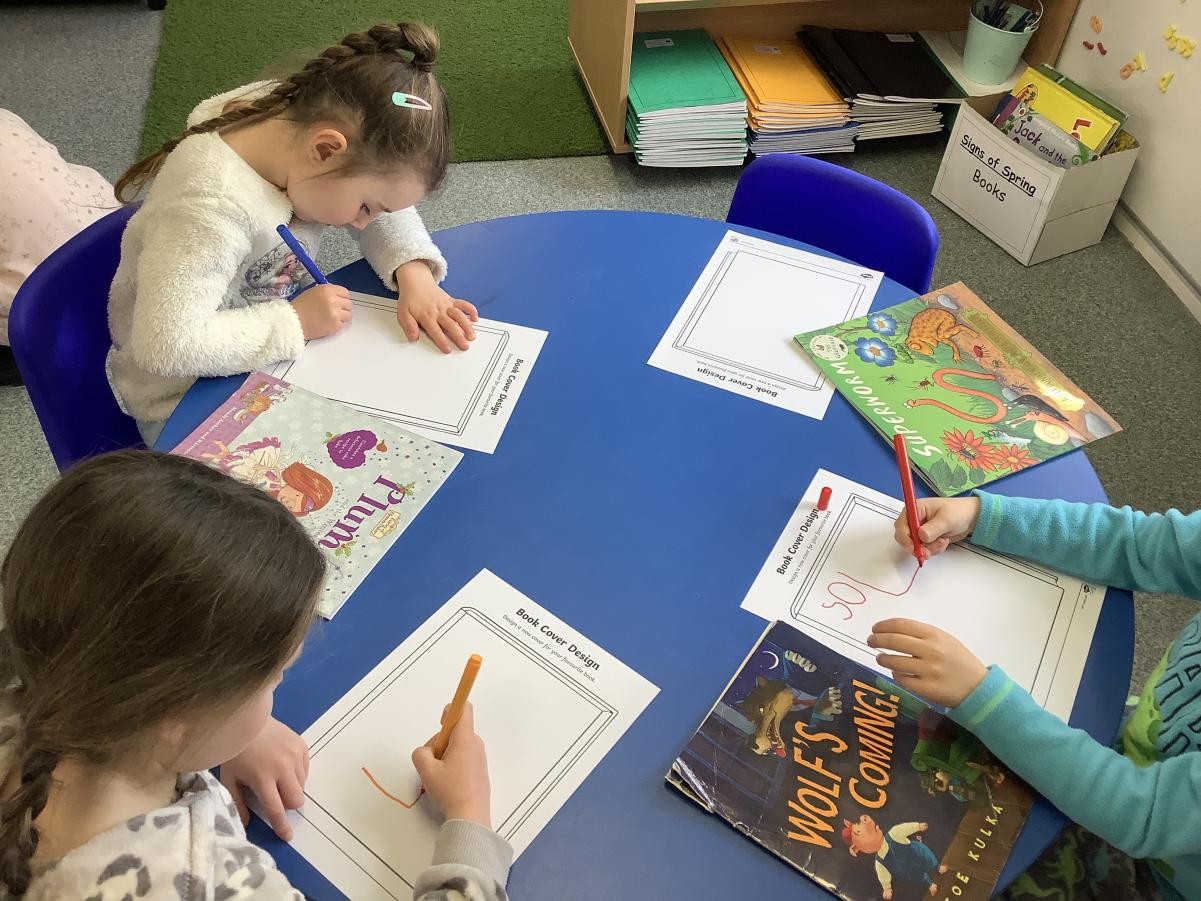
World Book Day
-
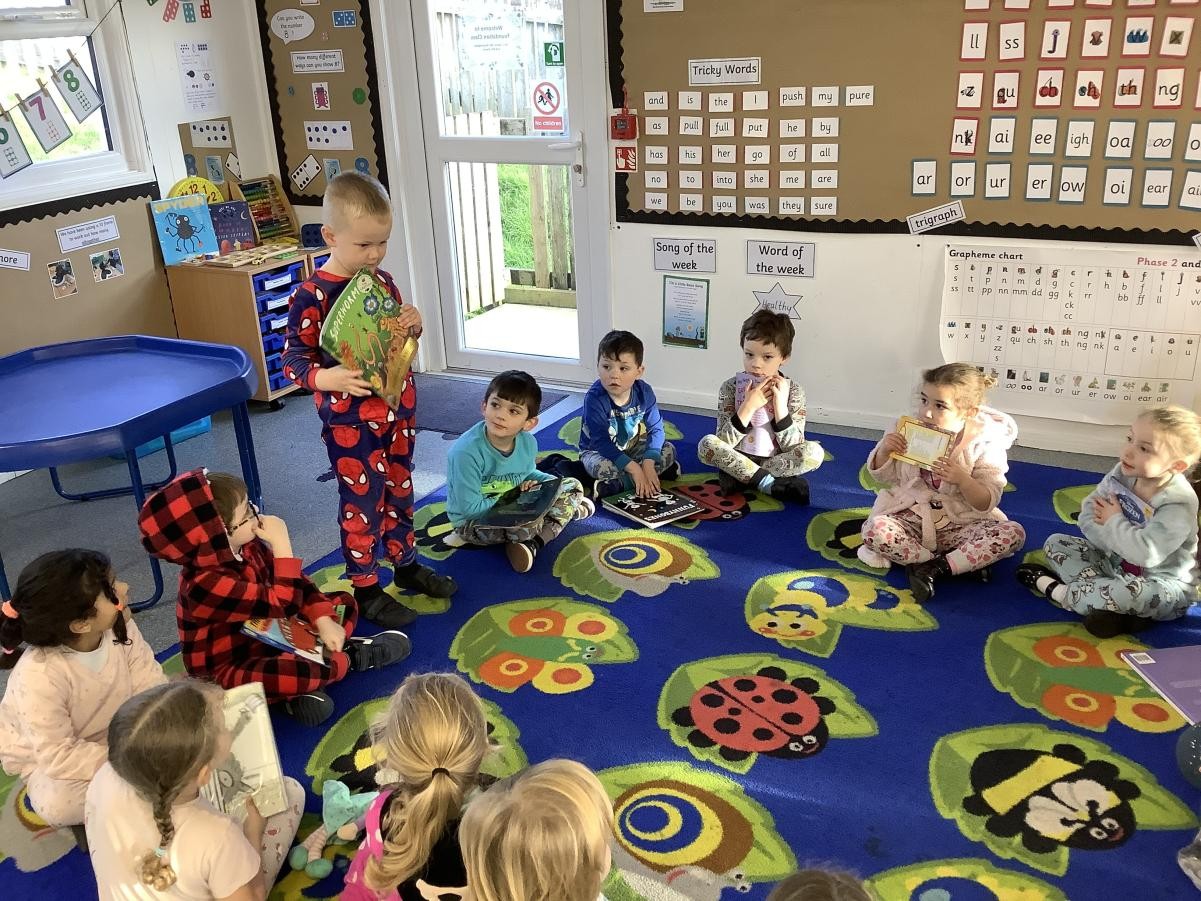
World Book Day
-
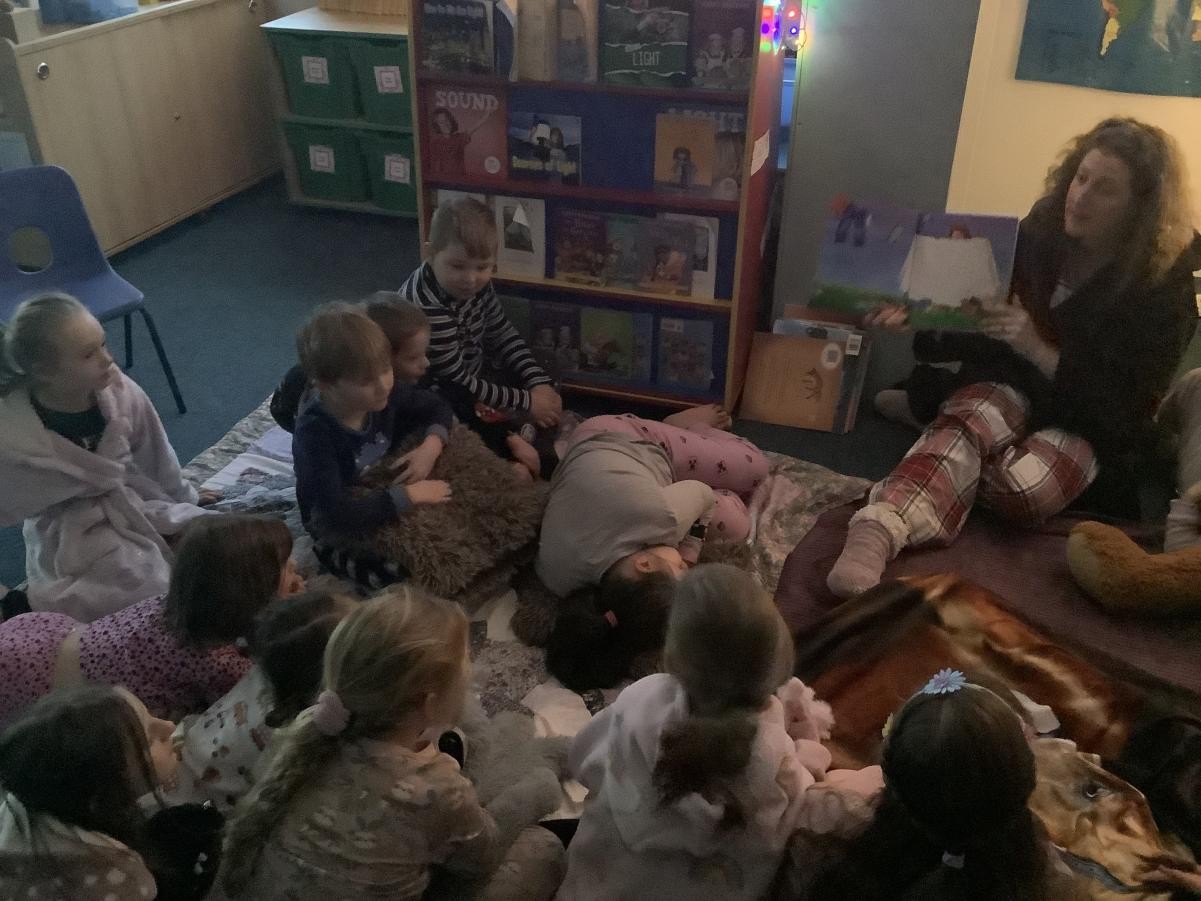
Pyjama Party
-
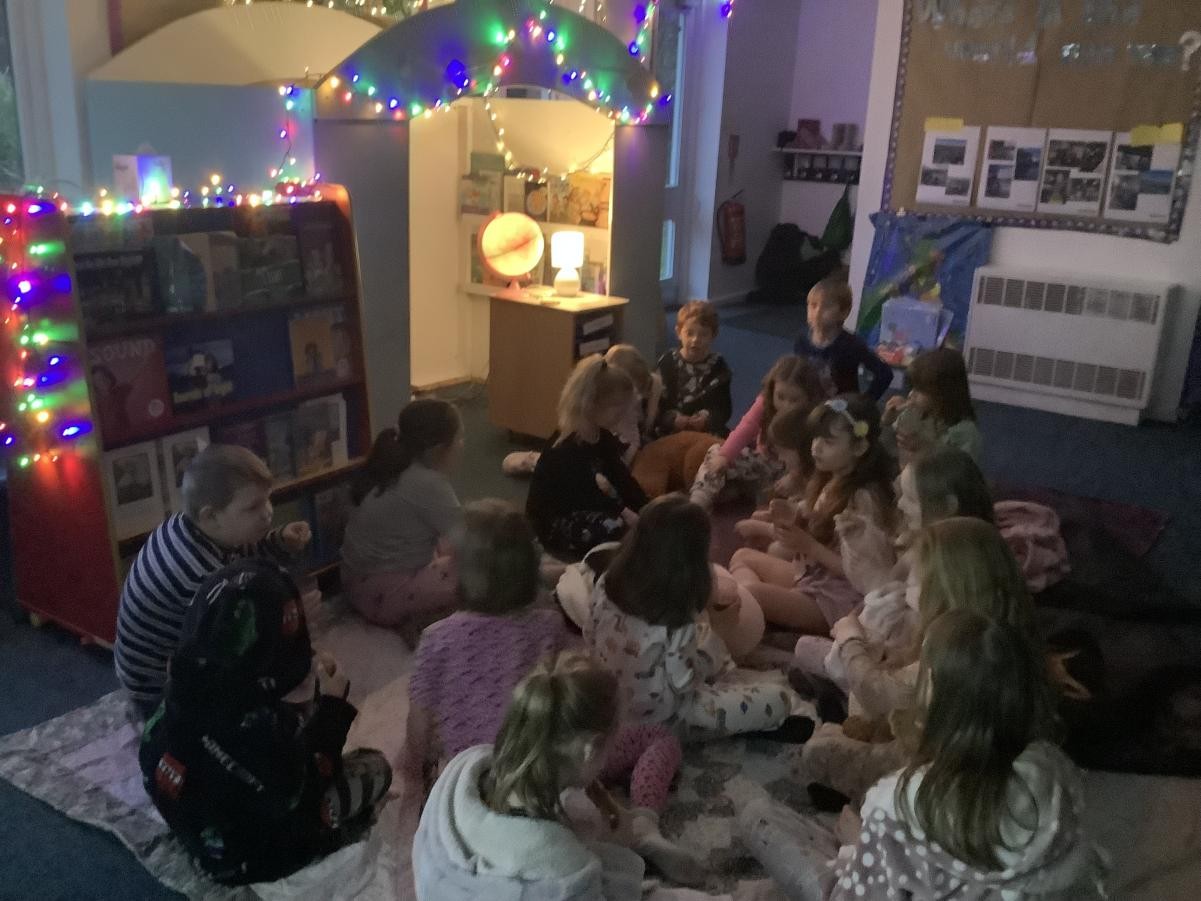
Pyjama Party
-
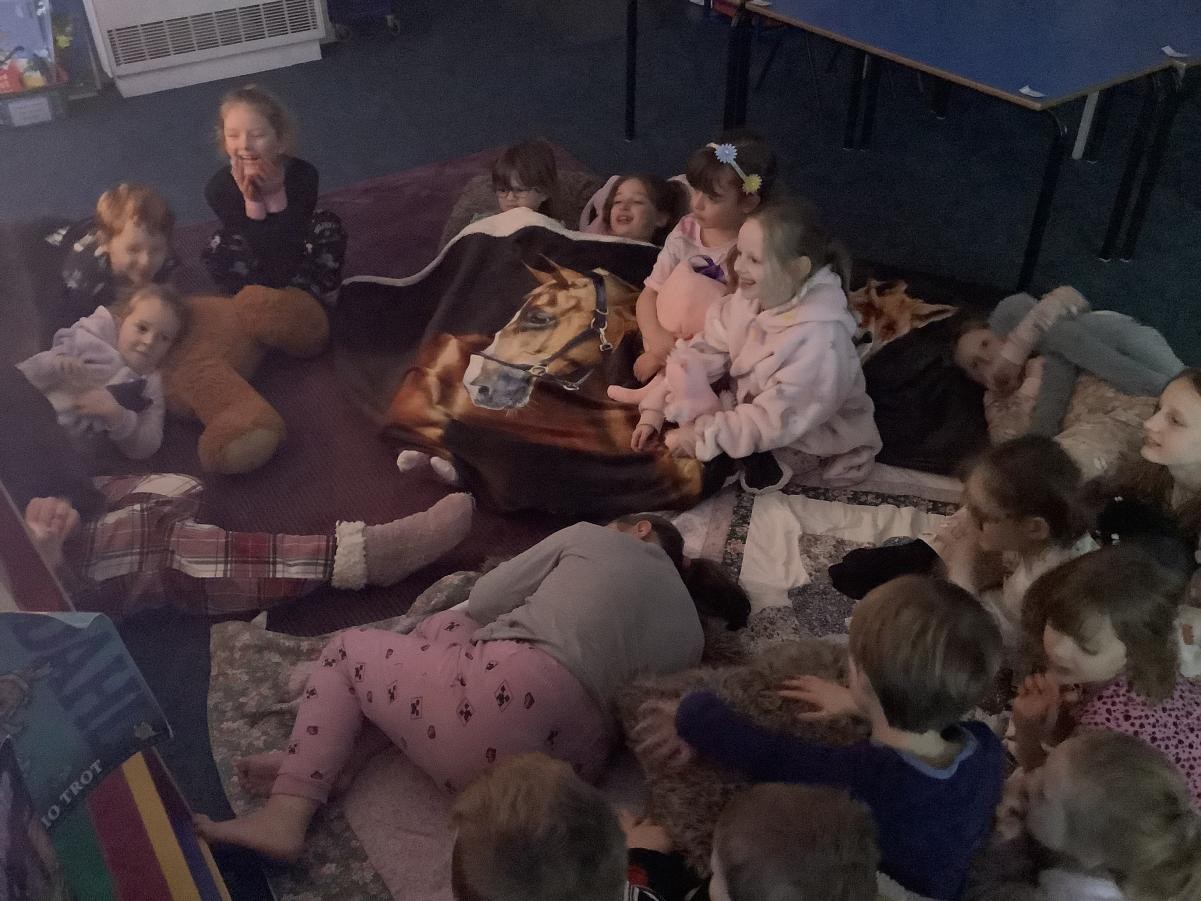
Pyjama Party
-
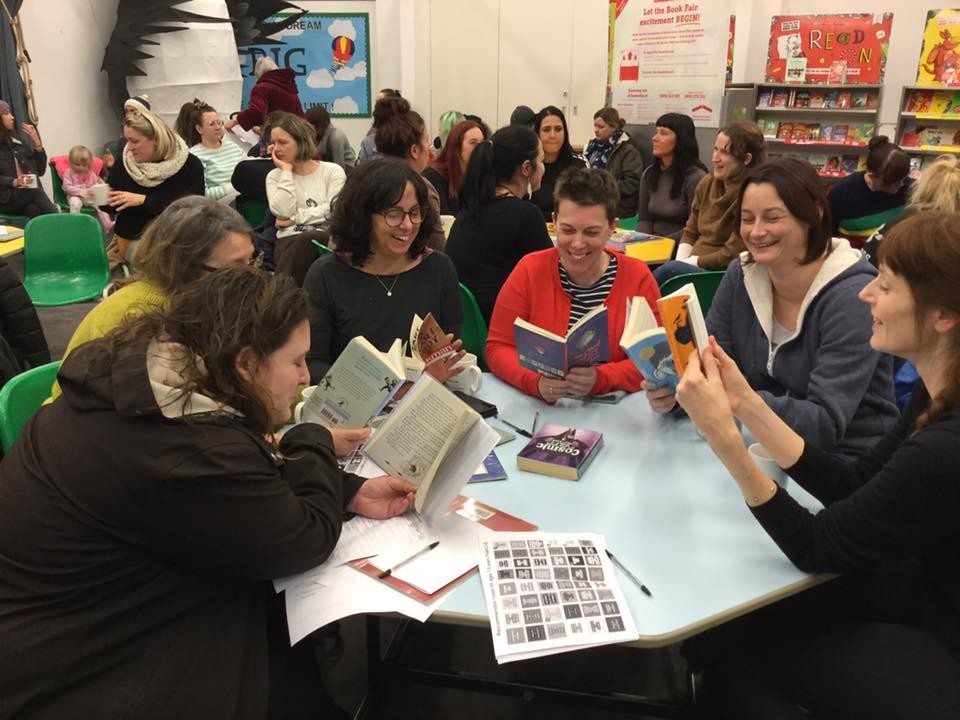
Pyjama Party
-
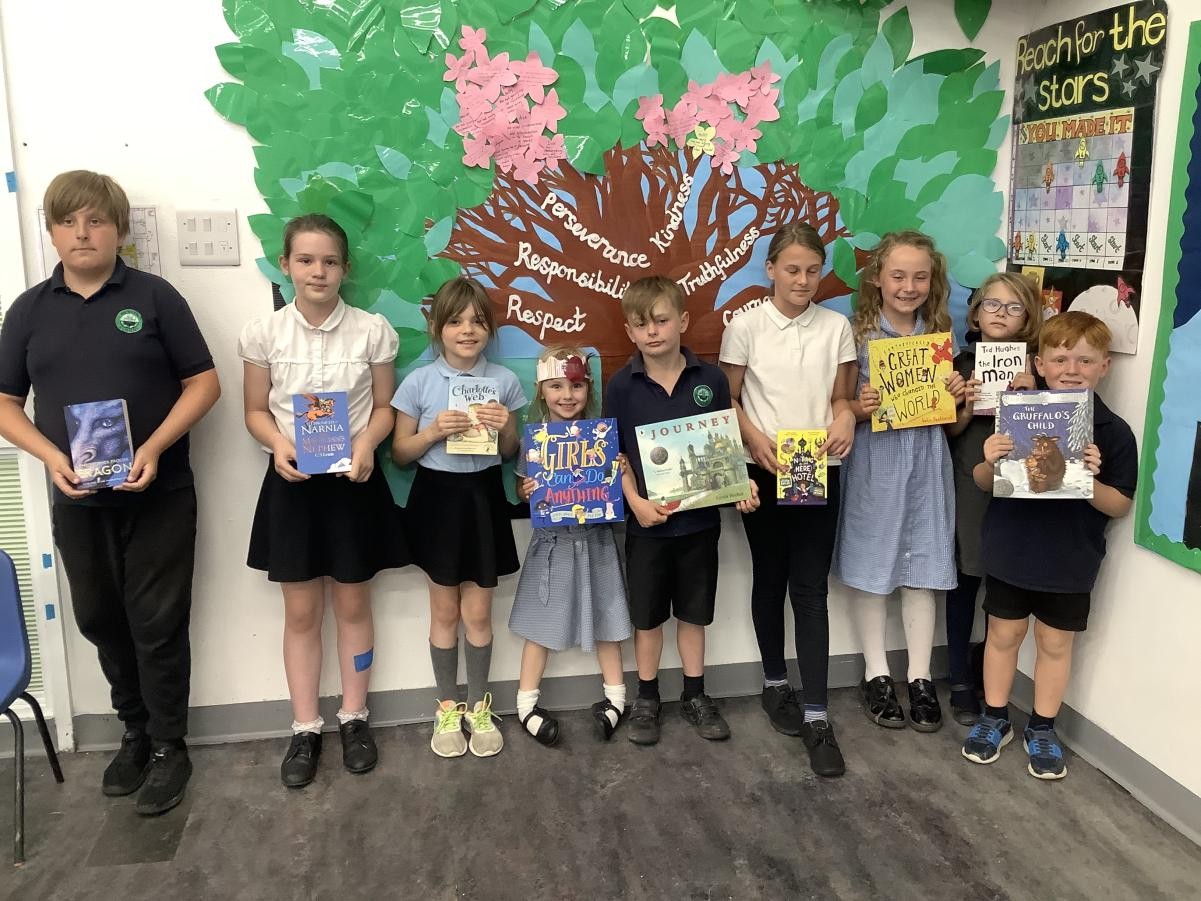
Book Awards
-
-
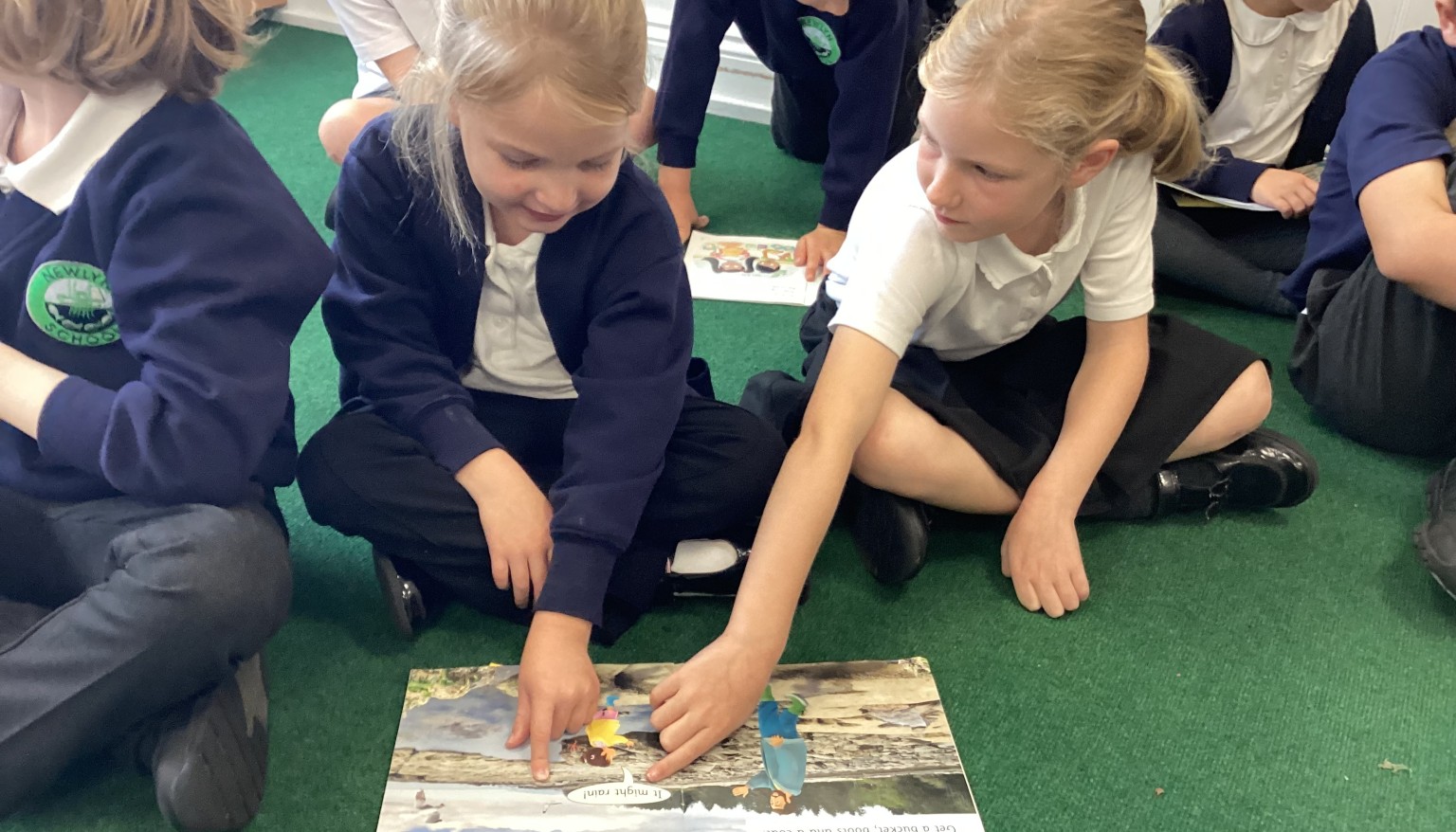
-
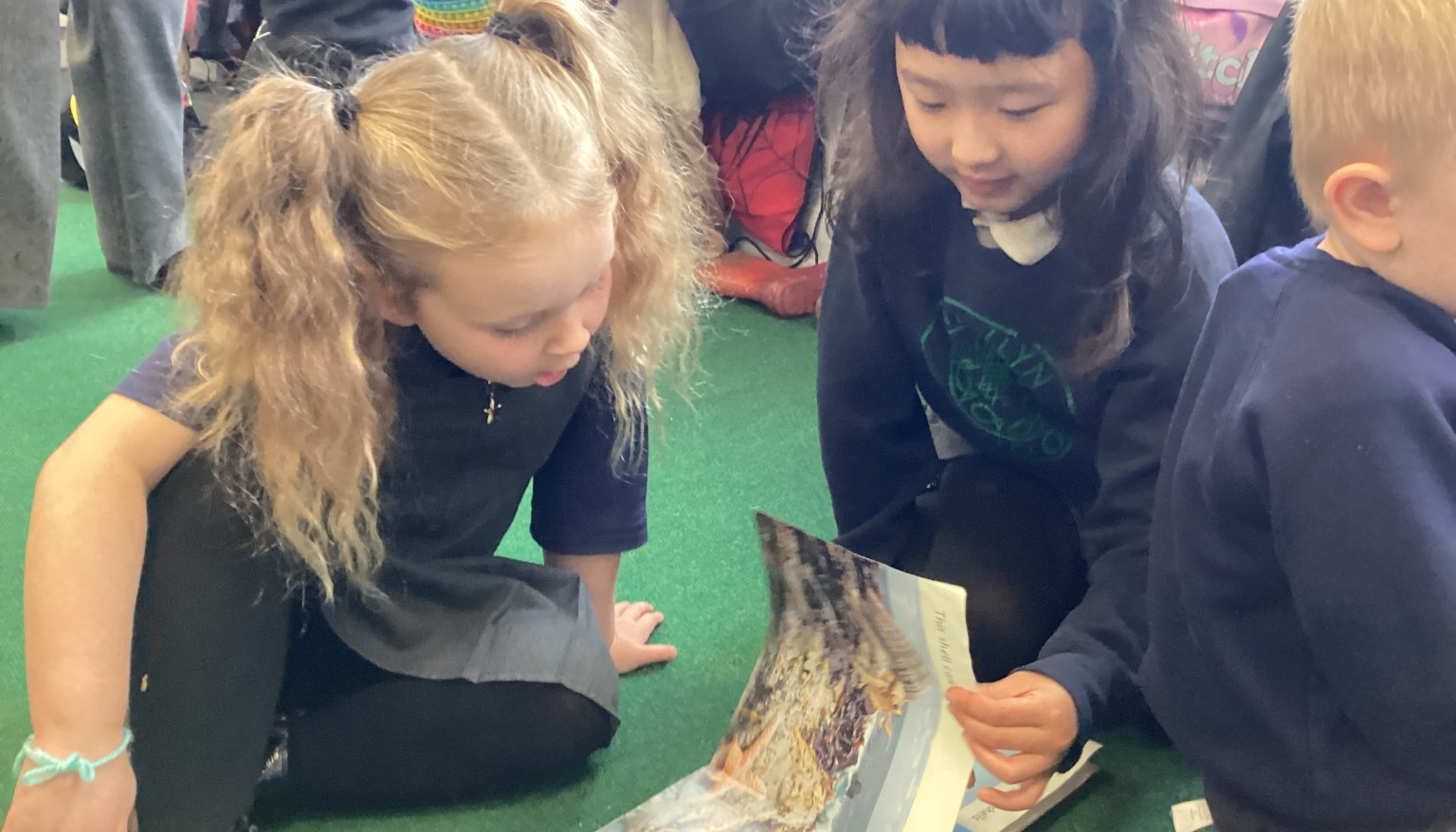
Reading News!
Each year, we offer reading workshops for parents and carers of children entering Key Stage 1 and Key Stage 2. These sessions are designed to help families understand how reading is taught at Newlyn School and how they can support their child’s progress at home.
In Key Stage 1, workshops focus on our phonics programme—Little Wandle Letters and Sounds Revised. We explain how phonics is delivered in school, outline key expectations, and share practical ways parents can reinforce these skills at home to build fluency and confidence.
In Key Stage 2, as children move beyond phonics, our workshops introduce engaging strategies such as shadow reading, choral reading, and paired reading. These techniques empower parents to support their child’s fluency, comprehension, and enjoyment of reading in a fun and purposeful way.
Support Reading At Home
Reading with your child plays a vital role in building vocabulary, communication skills and understanding of the world. Children who develop strong language skills early on are more confident, build friendships more easily and are better prepared for learning across the curriculum. A secure foundation in language also supports wellbeing as children grow.
Just ten minutes of reading a day—whether sharing a book or reading independently—can make a significant difference.
Tips For Helping Your Child Enjoy Reading
-
Read little and often
Your child does not need to finish a book in one sitting. Short, regular reading sessions help build enjoyment and stamina over time. -
Make reading part of the daily routine
Find a time that works best for your child and make reading a regular habit. Creating a cosy reading corner and sharing books together can make reading feel special. -
Follow your child’s interests
Let children choose what they read, including favourite books, genres or magazines. Re‑reading familiar texts helps build confidence, fluency and enjoyment. -
Use books, pictures and talk together
Encourage children to discuss characters, pictures and events. Talking about books helps children make sense of what they read and strengthens comprehension. -
Use technology positively
When used alongside an adult, e‑books, audiobooks and storytelling apps can support reading and vocabulary development. -
Encourage children to be storytellers
Telling, drawing or writing stories helps children develop language skills and creativity. Listening to and sharing stories together builds confidence and imagination. -
Try shadow reading
Read a sentence aloud, then encourage your child to read it back to you. This supports fluency, confidence and expression, particularly for developing or less confident readers. -
My turn, your turn
Take it in turns to read words, sentences or pages. Adding a funny voice or expression can help keep your child engaged and make reading fun.
Every conversation, shared story and reading moment helps children grow as confident, enthusiastic readers.