
Neuro Brains Picture
What is Neurodiversity?
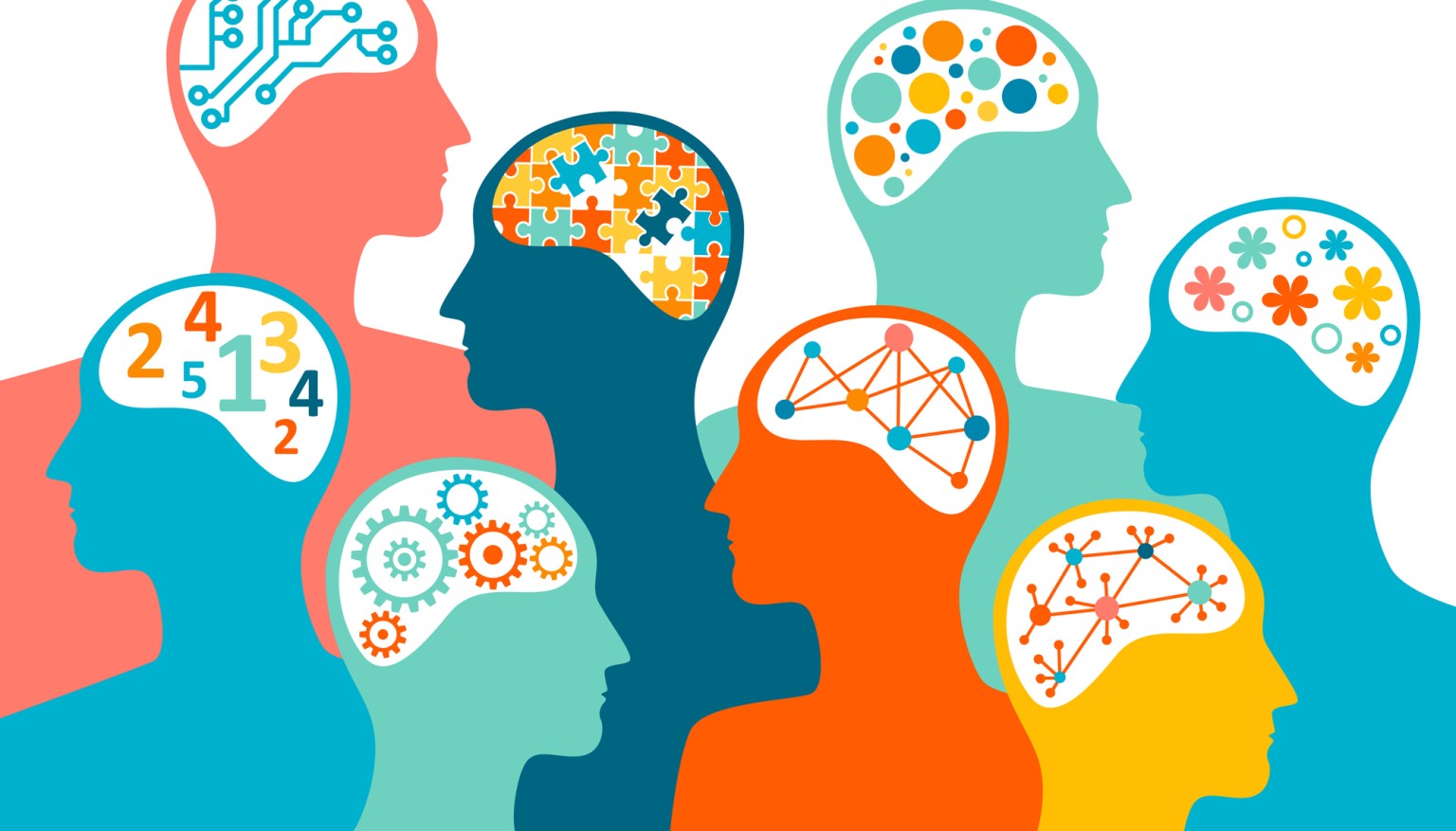
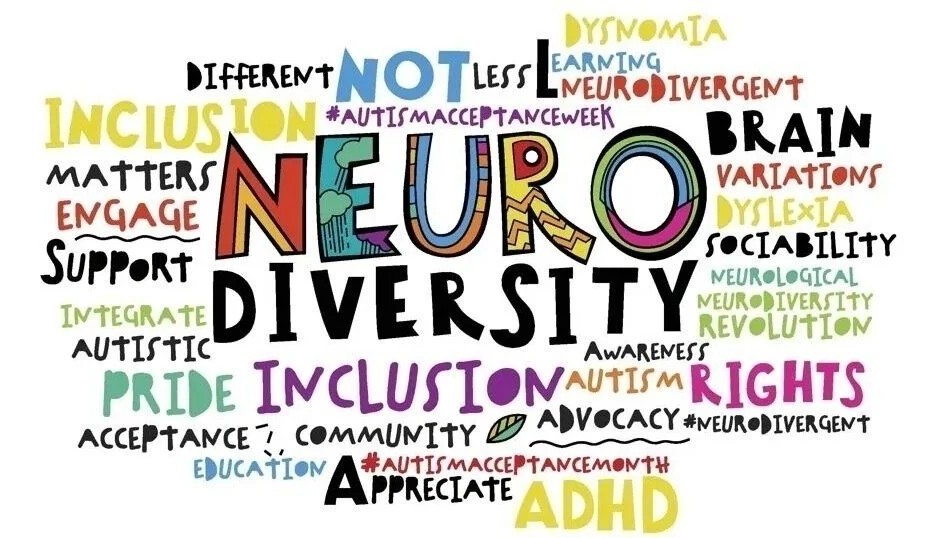
Neurodiversity is the concept that there are a variety of ways that people's brains process information, function, and present behaviourally. Rather than thinking there is something wrong or problematic when some people don't operate similarly to others, neurodiversity embraces all differences. The concept of neurodiversity recognises that both brain function and behavioural traits are simply indicators of how diverse the human population is.
Neurotypical is a descriptor that refers to someone who has the brain functions, behaviours, and processing considered standard or typical. Neurotypical people may have no idea they are because the subject has likely never come up for them before. These people usually hit all of their developmental and behavioural milestones at the same times and ages that are considered standard for most people. Once grown, they generally move through life without having to wonder if their brains function in the same way as others do.
Neurodivergence is the term for people whose brains function differently in one or more ways than is considered standard or typical. There are many different ways that neurodivergence manifests, ranging from very mild ways that most people would never notice to more obvious ways that lead to a person behaving differently than is standard in our society. We'll examine the most common types of neurodivergence and the ways they manifest ahead.
Neurodiversity Profiling Tool
Children and young people who are showing signs of neuro-developmental needs can access a Neurodiversity Profiling tool which can help identify what support they may need.
The neurodiversity (ND) profiling tool is the first step in identifying neurodiversity within children and young people aged 0-19.
What is the ND Profiling Tool?
The ND profiling tool is a visual document that assesses nine developmental strands of a child or young person aged 0-19. This includes:
- Speech and Language
- Energy Levels
- Attention and Impulse Control
- Emotional Regulation
- Motor Skills
- Sensory
- Flexibility and Adaptability
- Systemizing and Empathizing
- Cognitive Ability
It provides a holistic view of a child or young person’s needs and suggests types of strategies that can be put in place to help manage those needs in different areas of a life, such as:
- at home
- at their early years setting
- at school or college
- in the community
The process of completing the profile is carried out with the family, and not for or to the family.