What is Restorative Practice?
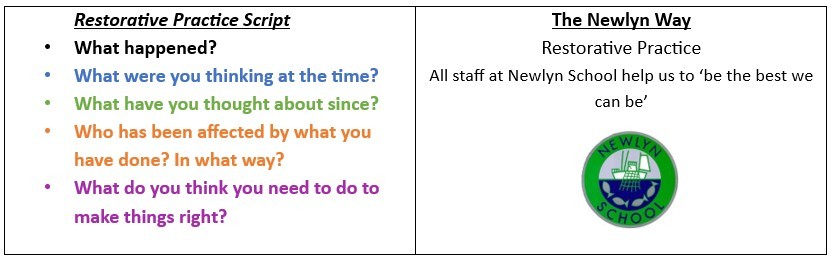
Restorative Practice encourages children to understand the impact of their actions, take responsibility, and repair harm. Instead of focusing only on punishment, we help children learn from mistakes and develop the skills they need to make better choices.
How does it work?
- Building Relationships: We prioritise strong, respectful relationships between staff and pupils.
- Restorative Conversations: When things go wrong, we use calm, structured conversations to help children reflect and find solutions.
- Learning Through Reflection: Children are supported to understand feelings—both their own and others’—and to make positive changes.
- Staff as Facilitators: Our staff play a vital role as facilitators, guiding restorative discussions and supporting reparation activities to help resolve conflict in a fair and meaningful way.
Our Collaborations
Each year, we work with the Step Up Programme to train children in Upper Key Stage 2 as Restorative Coaches and Peer Mediators. These pupils support younger children in resolving conflicts and building friendships. This promotes the voice of the child—ensuring every child is heard, valued, and respected—while teaching how to acknowledge mistakes and find age-appropriate, meaningful solutions.
Why is this important?
This approach helps children:
- Feel valued and listened to.
- Develop empathy and emotional intelligence.
- Learn lifelong skills for managing behaviour and resolving conflicts.
Our Goal
We want every child to feel safe, respected, and ready to learn. By using restorative practice and empowering pupils as leaders, we create a school community where children take responsibility, build positive relationships, and grow into caring, confident individuals.
Zones of Regulation and Emotion Coaching
At Newlyn School we explicitly teach emotional regulation to children through using the Zones of Regulation toolkit.
At Newlyn School, we help children understand and manage their emotions so they can feel calm, confident, and ready to learn. We use the Zones of Regulation framework alongside Emotion Coaching strategies to support children from early years through primary.
What are the Zones of Regulation?
The Zones of Regulation teach children to recognise their feelings and link them to four colour zones:
- Blue Zone – sad, tired, or low energy
- Green Zone – calm, happy, ready to learn
- Yellow Zone – worried, frustrated, or excited
- Red Zone – angry or out of control
Children learn strategies to move back to the Green Zone, helping them regulate emotions and make positive choices.
How does Emotion Coaching fit in?
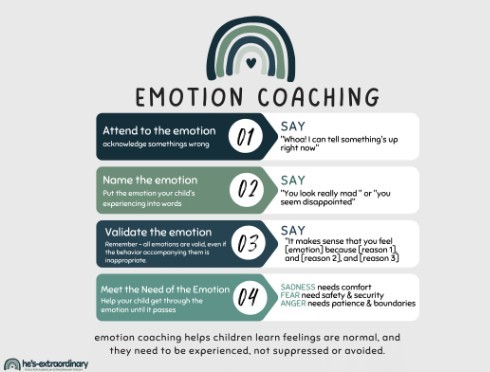
For our youngest children (ages 2–4), we use Emotion Coaching to help them name their feelings and understand that all emotions are okay. Adults guide children through calming techniques and problem-solving, building strong foundations for emotional resilience.
Why is this important?
When children can recognise and manage their emotions, they feel safer, learn better, and develop healthy relationships. These skills last a lifetime.